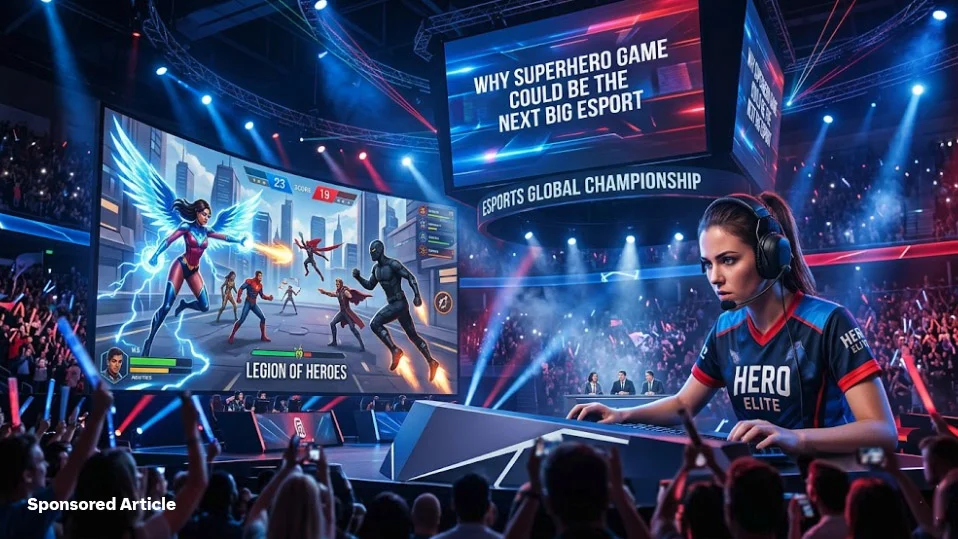
Esports is driven by games that are engaging, balanced, and capable of maintaining a community in the long term. With the release of Marvel Rivals, a 6v6 hero shooter developed by NetEase Games in collaboration with Marvel, on the horizon, the industry may be on the verge of its next big breakout title. The game’s combination of the cultural iconography of Marvel’s universe and the strategic complexity of team-based multiplayer shooters promises to make a splash in the esports world.
Its closed tests and early gameplay footage are already causing discussion not just among gamers but among competitive organisations that are looking forward to the next major title to invest in.
The Marvel Universe’s Popularity
One of the biggest arguments for Marvel Rivals as an esports is that its world and characters are immediately recognisable to everyone. Unlike other Hero Shooters, which introduce entirely new, unestablished characters, Marvel Rivals is coming with decades of established lore and fan investment. Players can take on the role of Spider-Man, Iron Man, Black Panther, and Scarlet Witch, taking their favourite heroes to battle.
Moreover, this relationship is important because a significant part of the success of esports is being able to emotionally identify with what is being watched. Marvel’s heroes already have global fan bases, so they could draw in casual viewers who might not usually follow competitive shooters, simply by offering the opportunity to see their favourite characters in action. This established fandom is easily accessible and can lead to increased viewership, broader sponsorship potential, and greater cultural relevance for the game’s competitive services.
Just as gamers look for appealing promotions such as UK no wagering free spin offers, the esports fanbase is always on the hunt for new experiences that offer a mix of entertainment, competition, and accessibility, something that the Marvel universe offers.
Gameplay Designed for Spectacle
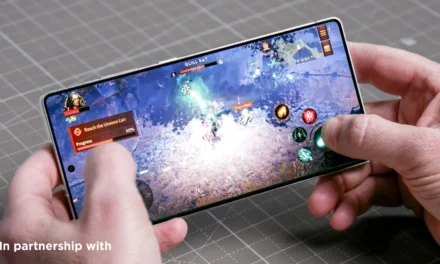
While brand recognition attracts interest, gameplay has to maintain it. Early impressions of Marvel Rivals show a focus on fast-paced action based on destructible terrain and dynamic team fights. Unlike traditional shooters, where the battle arena is static, Marvel Rivals features dynamic arenas that change during matches, forcing teams to think on their feet.
This focus on environmental interaction produces spectacle–a key element to esports. Destroying buildings, collapsing walls, and leveraging the terrain bring not only entertainment to players but also a visual spectacle to viewers, like the big-screen battles that we’ve come to know and love from Marvel films. The game’s cinematic energy transfers to the competitive arena. Esports broadcast viewing is a powerful tool in that regard, as compelling visuals can draw in and retain viewers.
Strategic Depth and Team Dynamics
Great esports games achieve the right balance between accessibility and mastery. Marvel Rivals brings to life mechanics that are simple enough for new players to grasp – shoot, use abilities, help out your team – but with enough depth for the most competitive of players to master. Each hero has distinctive skills and roles, promoting varied strategies and teamwork.
The game has a strong focus on combination attacks, allowing players to combine abilities for even more powerful effects. For instance, a character with the ability to stun enemies can position them for a teammate to attack with an area-of-effect, making communication and coordination valuable. These mechanics put teamwork at the centre stage, making the win not just a product of individual prowess but of collective execution. For esports organisations and fans, this opens the door for strategic analysis, memorable plays, and rivalries that transcend aim precision.
Accessibility and International Potential
Marvel Rivals has another advantage over Marvel Legendary: accessibility. The Marvel brand is a global one and NetEase has the systems in place to deliver and market the game to multiple regions at once. By targeting its launch on platforms with high player volumes and a solid cross-platform presence, Marvel Rivals can quickly build a global player base.
Even the speed of the play is accessible. Matches are engineered to be shorter and more explosive than traditional tactical shooters, making them easily digestible for both viewers and participants. In the world of esports, where attention is spread across multiple titles and platforms, this sort of framework can be beneficial.
Sponsorship and Commercial Value
The economic value of Marvel Rivals as an esport cannot be overlooked. Brands and advertisers tend to look for games that are popular in the mainstream. The Marvel brand has a reputation and a certain level of safety that makes it desirable as a corporate partnership. Advertisers that might otherwise be reluctant to support niche titles will be more likely to buy into a property based around a globally cherished franchise.
Furthermore, this financial ecosystem is essential for the sustenance of esports. With the brand strength of Marvel, it would be easy for competitive leagues and tournaments to attract investment, prize pools, and professional team involvement. The intersection of Marvel fanbase, gamers and mainstream audiences and spending gives rise to an exceptionally fertile ground for nurturing a lucrative and persistent esport.
What Does the Future Hold for Marvel in Esports?
If Marvel Rivals can establish itself as a serious Esports, it could pave the way for broader Marvel gaming ecosystems. Consider crossover tournaments, character updates based on film releases, or story-driven seasons that correspond to Marvel’s overall narrative universe. This partnership has the potential to transform the game from just a shooter into a platform where the cultural influence of Marvel meets the world of competitive gaming.
Such an approach would not only fortify Marvel Rivals’ standing in the esports realm but also redefine how entertainment brands approach gaming communities. By combining the two, the game was able to blur the line between fandom and e-sports and foster a hybrid community like no other.
Esports is a competitive business, and there are only a handful of games that have managed to establish a permanent place for themselves. Yet Marvel Rivals comes with something few others can claim. If it can build upon its strengths while learning from the mistakes of those who came before it, it may not only emerge as the next big esport but also change the landscape of competitive gaming for years to come.