
Warning: Cannot use bool as array in /var/www/marvelrivalshub.gg/public_html/wp-content/plugins/w3-total-cache/Cache_File.php on line 237
Warning: Cannot use bool as array in /var/www/marvelrivalshub.gg/public_html/wp-content/plugins/w3-total-cache/Cache_File.php on line 237
Warning: Cannot use bool as array in /var/www/marvelrivalshub.gg/public_html/wp-content/plugins/w3-total-cache/Cache_File.php on line 237
Warning: Cannot use bool as array in /var/www/marvelrivalshub.gg/public_html/wp-content/plugins/w3-total-cache/Cache_File.php on line 237
Warning: Cannot use bool as array in /var/www/marvelrivalshub.gg/public_html/wp-content/plugins/w3-total-cache/Cache_File.php on line 237
Warning: Cannot use bool as array in /var/www/marvelrivalshub.gg/public_html/wp-content/plugins/w3-total-cache/Cache_File.php on line 237
Warning: Cannot use bool as array in /var/www/marvelrivalshub.gg/public_html/wp-content/plugins/w3-total-cache/Cache_File.php on line 237
Warning: Cannot use bool as array in /var/www/marvelrivalshub.gg/public_html/wp-content/plugins/w3-total-cache/Cache_File.php on line 237
Warning: Cannot use bool as array in /var/www/marvelrivalshub.gg/public_html/wp-content/plugins/w3-total-cache/Cache_File.php on line 237
Warning: Cannot use bool as array in /var/www/marvelrivalshub.gg/public_html/wp-content/plugins/w3-total-cache/Cache_File.php on line 237
Warning: Cannot use bool as array in /var/www/marvelrivalshub.gg/public_html/wp-content/plugins/w3-total-cache/Cache_File.php on line 237
Warning: Cannot use bool as array in /var/www/marvelrivalshub.gg/public_html/wp-content/plugins/w3-total-cache/Cache_File.php on line 237
Marvel Rivals has quickly established itself as more than just another team-based shooter. Beneath the flashy abilities and superhero skins lies a competitive framework that rewards planning, adaptability, and smart decision-making. One of the clearest examples of this is the combat triangle—a balancing system that determines how different hero classes interact with each other.
For players who want to rise above casual matchmaking and hold their ground in ranked play, learning the combat triangle isn’t optional. It’s a core element of the game’s design, shaping every draft, every skirmish, and every team fight.
This guide breaks down how the triangle works, why counterpicking matters, and what strategies can help you make the most of it.
Understanding the Combat Triangle
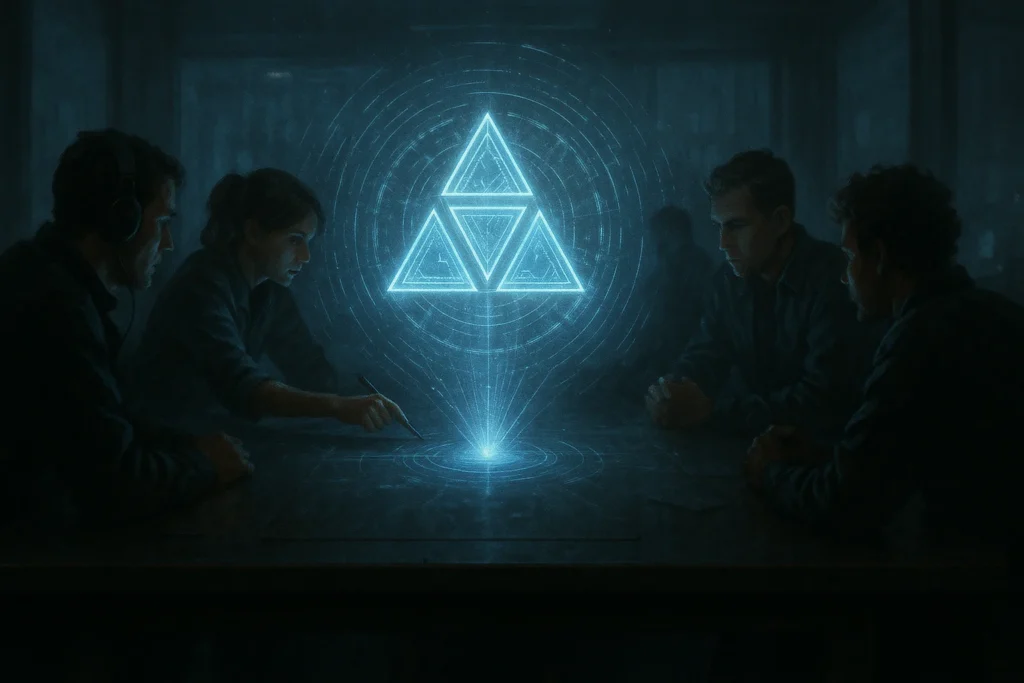
At its core, the combat triangle in Marvel Rivals mirrors a principle seen across competitive games: every strength has a weakness, and every weakness can be exploited. The classes aren’t built to stand alone; they’re designed to interact in a cycle.
- Vanguards: Durable front-liners who excel at soaking up damage and leading pushes.
- Duelists: Damage-heavy heroes that thrive in one-on-one fights or quick eliminations.
- Strategists: Supportive and tactical, often providing buffs, heals, or crowd control.
The triangle links these roles together in a loop:
- Vanguards hold off Duelists.
- Duelists pressure Strategists.
- Strategists disrupt and outmaneuver Vanguards.
This circular design ensures that no class becomes dominant on its own. Instead, success comes from predicting which role your opponent leans on and countering it effectively.
Why Counterpicking Decides Games
Many players focus on raw mechanics—landing shots, dodging skills, or executing combos. While those elements matter, the bigger picture often lies in drafting and counterpicking.
Consider this: a Duelist may shred through your backline if left unchecked. But if you slot in the right Vanguard, suddenly their advantage disappears. The same principle works in reverse; a clever Strategist can dismantle a tanky frontline that would otherwise feel unstoppable.
That’s why teams at higher ranks don’t just queue up their favorite heroes—they pick according to what the enemy has already shown. Counterpicking is less about denying your rival a strong hero and more about making sure your lineup can answer their choices.
And here’s where it gets interesting: even a weaker individual player can swing the momentum of a match simply by locking in a hero that naturally checks the opponent’s strength.
Building Awareness Beyond Your Hero
A mistake new players often make is to think only in terms of “their character” rather than their role in the triangle. You might feel comfortable on a Duelist, but if the enemy has already stacked aggressive counters, forcing that pick may sabotage your team.
Instead, successful players adapt their playstyle to the needs of the draft. Ask yourself:
- What role is my team missing in the triangle?
- Which enemy hero is most likely to dominate the match if left unchecked?
- Can my pick redirect pressure away from our weakest link?
This kind of awareness separates casual play from strategic mastery.

The Layer of Unpredictability
While Marvel Rivals is built on skill and teamwork, there’s always a layer of unpredictability in each match. That mix of planning and chance is something players recognize across different forms of gaming, from competitive shooters to platforms like https://pokiemachines.com/ where probability and outcomes define the experience.
The point isn’t that Rivals is random—it’s that perfect information doesn’t exist. You’ll never know exactly how the other team will position or when they’ll commit to an ultimate. That uncertainty is what makes the combat triangle so engaging. It’s not just a rock-paper-scissors mechanic; it’s a dynamic system shaped by human decision-making.
Practical Tips for Mastering the Triangle
Knowing the theory is one thing. Applying it in live matches, where the clock is ticking and teammates are calling out plays, is another. Here are practical ways to strengthen your triangle awareness:
1. Watch Draft Order Closely
The earlier you pick, the riskier it is. If your team has first pick, try to select a flexible hero who doesn’t reveal your entire plan. Save hard counters for later rounds when you know what the enemy is bringing.
2. Play a Secondary Role
Don’t tie yourself to a single class. Even if you prefer Duelists, spend time learning a Vanguard or Strategist. Having a reliable backup means you can fill gaps when your preferred hero is either countered or already taken.
3. Respect Cooldowns and Ultimates
The triangle isn’t static—it shifts depending on what abilities are available. A Strategist might look vulnerable until their ultimate flips a fight. Pay attention to these power spikes and adjust your positioning accordingly.
4. Track Enemy Rotations
Positioning often decides which side of the triangle you’re facing. If their Duelist keeps flanking, your backline needs more coverage. If their Strategist is playing aggressively, you might need to swap or rotate to shut them down.
5. Communicate in Simple Terms
Not every teammate will understand “triangle theory.” Instead of over-explaining, call out actionable points: “We need a counter for their tank,” or “Watch out for the flanking Duelist.”
Adapting to Evolving Metas
Another reason the triangle stays relevant is because the meta never sits still. Each patch adjusts balance, adds heroes, or changes cooldowns. What worked last season might not hold up now.
For example, a Strategist who was once considered too situational may become a must-pick after a buff. Similarly, a Vanguard with nerfed survivability may lose its edge against certain Duelists.
Staying updated with patch notes and community discussions ensures you don’t fall behind. The best players aren’t just reacting to the triangle in its current state—they’re predicting how it will shift in the next patch.
Applying Lessons Beyond the Game
One of the fascinating things about the combat triangle is how it mirrors broader lessons in gaming and even life. Every advantage can be neutralized, and every plan can be disrupted. Adaptability becomes more valuable than stubbornness.
It’s the same mindset competitive players apply across different titles. You don’t just learn mechanics—you learn how to think. You learn how to weigh probability, anticipate outcomes, and recognize when to pivot. That’s why systems like the combat triangle resonate with players long after the match ends.
Final Thoughts
Marvel Rivals isn’t only about reflexes and flashy abilities. At its core, it’s a game about decision-making. The combat triangle is the framework that keeps battles fair, unpredictable, and endlessly strategic.
By learning how to counterpick, building awareness of your team’s role within the cycle, and staying flexible with your choices, you’ll find yourself not just surviving matches—but actively shaping them.
And perhaps that’s the true secret of Marvel Rivals: every match is a puzzle with moving parts, and the smartest players aren’t those who win every duel—they’re the ones who understand how all the pieces fit together.