Warning: Cannot use bool as array in /var/www/marvelrivalshub.gg/public_html/wp-content/plugins/w3-total-cache/Cache_File.php on line 237
Warning: Cannot use bool as array in /var/www/marvelrivalshub.gg/public_html/wp-content/plugins/w3-total-cache/Cache_File.php on line 237
Warning: Cannot use bool as array in /var/www/marvelrivalshub.gg/public_html/wp-content/plugins/w3-total-cache/Cache_File.php on line 237
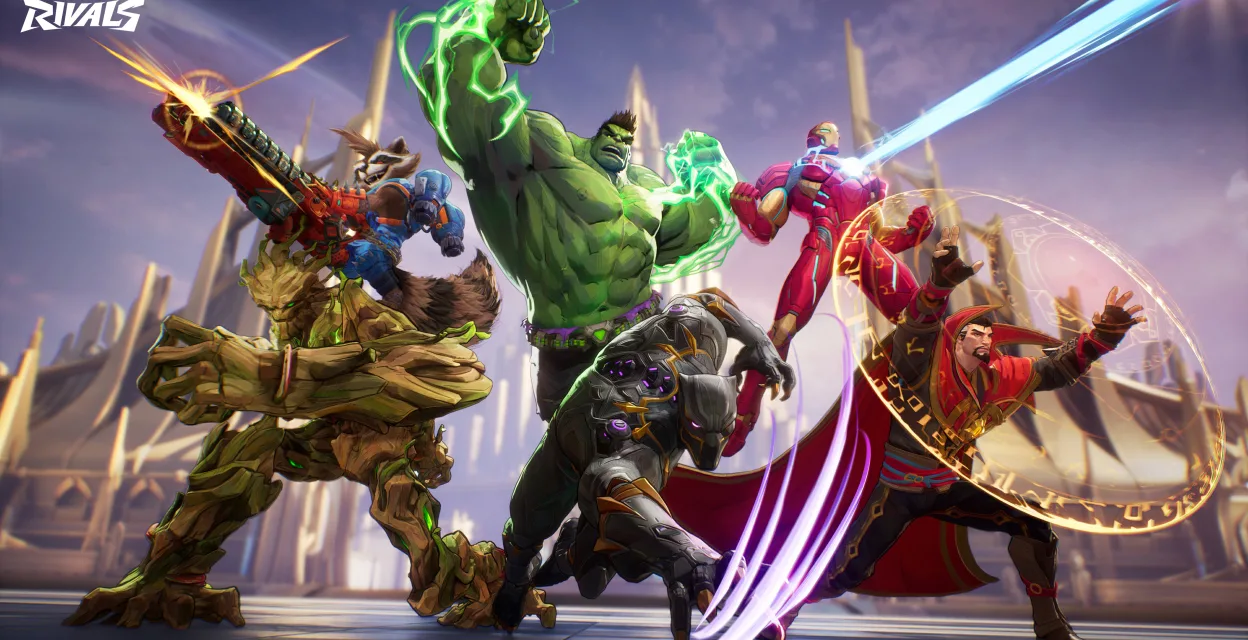
What engine does Marvel Rivals use? Marvel Rivals is built on Unreal Engine 5, the groundbreaking game engine developed by Epic Games. By choosing Unreal Engine 5 (UE5), the Marvel Rivals development team at NetEase Games transformed their vision of a fast-paced PvP superhero team shooter into a living, reactive multiverse filled with immersive environments and dynamic superhero abilities. If you’ve ever wondered how the explosive set pieces, destructible maps, and iconic heroes came to life in Marvel Rivals, the answer lies in the advanced technologies and custom solutions made possible by Unreal Engine 5.
The Choice of Unreal Engine 5: Powering the Multiversal Mayhem
The selection of Unreal Engine 5 as the foundation for Marvel Rivals marked a pivotal transition from Unreal Engine 4, which was originally used at the start of development in 2019. As ambitions for the game’s environmental destruction, global illumination, and real-time effects grew, the limitations of Unreal Engine 4 became apparent. The team at NetEase Games identified Unreal Engine 5 as the solution, providing them the sophisticated toolset necessary to achieve fluid gameplay and next-generation visuals befitting the Marvel universe.
Marvel Rivals is the product of an international collaboration, with NetEase Games leading technical development in close partnership with Marvel Games. The technical leap to Unreal Engine 5 was foundational in making Marvel Rivals not just another hero shooter, but a unique blend of comic-inspired aesthetics and modern interactive storytelling.
Breakthrough Features Enabled by Unreal Engine 5
Unreal Engine 5 brings a robust set of next-generation features to Marvel Rivals. Here are the key technologies at play:
- Lumen Global Illumination: Realistic dynamic lighting and reflections that react instantly to the ever-changing battlefield, from energy blasts to crumbling architecture.
- Chaos Physics Engine: True-to-life destruction physics, allowing maps to break, crumble, and deform in response to hero abilities and environmental hazards.
- Niagara VFX System: Highly customizable particle and special effects, giving each character’s superpowers distinctive, visually stunning flair.
- Custom Game Ability System (GAS): NetEase Games enhanced UE5’s native ability system to enable responsive, robust, and combinable hero abilities — critical for satisfying Marvel-style team play and combat depth.
These technologies combine to enable gameplay where the environment and abilities interact in ways that are both visually impressive and core to the moment-to-moment action.
Custom Engine Modifications for Marvel Superheroes
The Marvel Rivals development team went far beyond the “off-the-shelf” version of Unreal Engine 5, introducing powerful customizations to meet the ambitious requirements of a Marvel multiplayer brawler. A prime example is their overhaul of the Game Ability System (GAS). Abilities in Marvel Rivals are not just simple point-and-click spells; they involve intricate logic, transformations, state changes, and conditional branching (such as progressive combos and synergy attacks between heroes).
To implement iconic powers like Doctor Strange’s portals, the team rebuilt significant portions of the render pipeline. By integrating “portal viewports” into the main camera pipeline, they improved CPU efficiency and graphical fidelity, ensuring that warp and mirror effects remain interactive and free from excessive performance drops, all while maintaining the split-second reaction times competitive multiplayer demands.
Performance, Scalability, and Player Experience
UE5’s advanced toolsets enabled the team to target exceptional performance and broad hardware compatibility. Marvel Rivals utilizes:
- Dynamic Level of Detail (LOD): Automatically adjusts model and texture quality based on what’s visible, so even massive battles with 12 active superheroes remain smooth.
- Shader Complexity Tools: Visual tracers and analyzers baked into Unreal Engine 5 help reduce excessive GPU workloads from hero effects and environmental changes.
- Adaptive Resolution and Scalability: Players can fine-tune visual settings for everything from ancient Asgardian halls to the futuristic Tokyo 2099, ensuring playability on a wide range of PCs.
Each of these optimizations ensures that explosive superpowers and destructible battlegrounds are accessible to more players without sacrificing the premium Marvel look and feel. It’s a testament to both the power of UE5 and the skill of NetEase’s engineering team.
Artistic Vision Meets Technical Power
Under the creative direction of Marvel Games, the project’s art team used Unreal Engine 5’s rendering pipeline to blend Western comic-book stylings with vibrant anime influences. According to Marvel Games senior producer Danny Koo, this hybrid art direction is only possible with the advanced rendering, lighting, and shading flexibility that UE5 provides. The result is an unmistakably Marvel visual identity, from the gleaming streets of New York to the cosmic corridors of Asgard, with every frame brimming with detail and energy.
Learn More: Additional Resources on Marvel Rivals and UE5
To dig deeper into the technical and creative decisions behind Marvel Rivals, explore these resources:
- Technical Advancements in Marvel Rivals – TechLoy
- How Unreal Engine 5 Powered Marvel Rivals – 80.lv
- Marvel Rivals – Wikipedia
FAQ: Marvel Rivals Engine and Technology
Is Marvel Rivals made with Unreal Engine 5 from the start?
No, Marvel Rivals started development on Unreal Engine 4. The team transitioned to Unreal Engine 5 partway through development to leverage features required for advanced lighting, environmental destruction, and large-scale multiplayer support.
What features of Unreal Engine 5 does Marvel Rivals use?
Key Unreal Engine 5 features in Marvel Rivals include the Lumen real-time global illumination system for dynamic lighting, the Chaos physics engine for destruction and physics interactions, the Niagara visual effects system for advanced superhero effects, and an extensively modified Game Ability System (GAS) for complex abilities and state management.
Why did the developers choose Unreal Engine 5 over other engines?
Unreal Engine 5 offered the best combination of visual fidelity, scalable performance, powerful toolsets for environment and effect creation, and a robust multiplayer framework. These factors made it the ideal choice to bring Marvel’s rich universe and fast-paced competitive gameplay to life.
Did the developers customize Unreal Engine 5 for Marvel Rivals?
Yes, NetEase Games made significant customizations to Unreal Engine 5. Notably, the Game Ability System (GAS) was enhanced to support superhero-specific logic, and the rendering pipeline was modified to enable advanced portal and split-screen effects for certain characters.
Does Marvel Rivals support high-end graphics while running on lower-end PCs?
Thanks to Unreal Engine 5’s scalability and the developers’ optimizations, Marvel Rivals supports a range of hardware. Features like dynamic Level of Detail (LOD), adaptive resolution, and performance tuning ensure the game looks and runs great on various system configurations.
Where can I watch more about Marvel Rivals’ development and technology?
There is currently a detailed technical breakdown available on YouTube: How Unreal Engine 5 Brings Marvel Rivals to Life. Additional public videos specifically focused on the game’s engine implementation are not available at this time.
Marvel Rivals is a shining example of how Unreal Engine 5’s advanced systems, combined with inventive development and artistic vision, can deliver a superhero brawler that feels as extraordinary to play as it looks. For more insights, visit the official game resources and technical breakdowns linked above.