What makes Marvel Rivals different from Overwatch? At a glance, both games appear to be hero-based shooters focused on team play, but Marvel Rivals and Overwatch are separated by foundational differences in camera perspective, team mechanics, combat flow, and design philosophy. Marvel Rivals is a third-person, Marvel-themed brawler where chaotic combos and collaborative abilities take center stage, while Overwatch offers a first-person, tactically-driven experience centered on unique characters and carefully balanced roles. Understanding what sets these two titles apart is key for players deciding which game fits their style. This article dives deeply into distinctive features and the core gameplay variances that define the Marvel Rivals vs. Overwatch debate.
Perspective Shift: Third-Person Action vs. First-Person Precision
One of the most immediate and fundamental differences is visual perspective. Marvel Rivals places players in a third-person viewpoint, letting them see their hero, surroundings, and incoming threats in a broader context. This perspective gives the game a dynamic action-adventure feel, allowing for better spatial orientation, environmental awareness, and showy movement-based maneuvers. In contrast, Overwatch maintains a tight first-person camera, sharpening the focus on aiming skill, reaction speed, and immersing the player directly in the role of their hero. This shift impacts how players approach movement, aiming, and teamwork in each title.
Team Structure and Character Selection: Freedom vs. Function
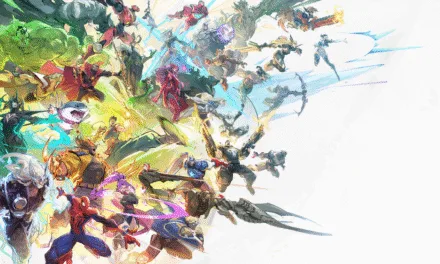
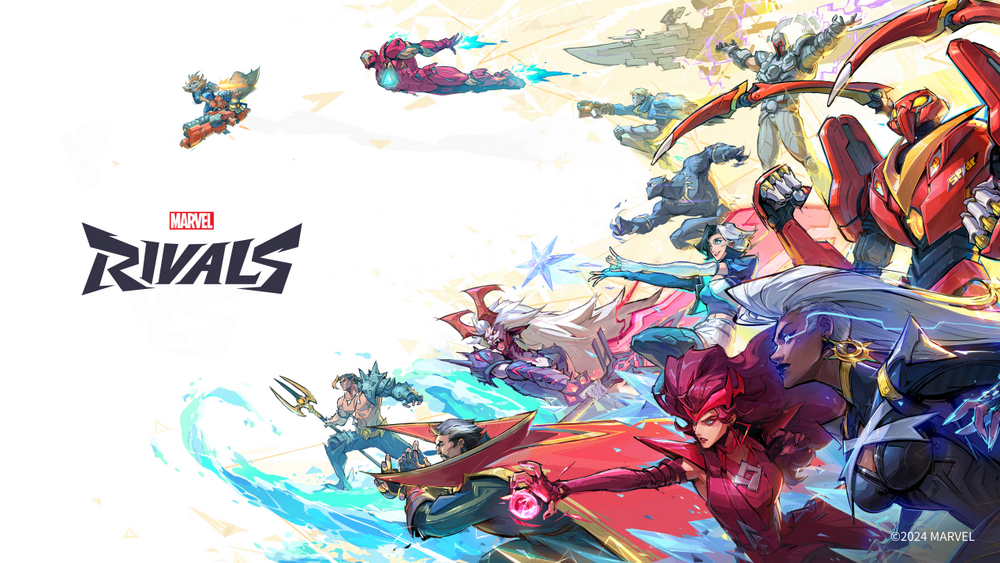
Marvel Rivals uses a 6v6 team format, and character selection is completely open—players can select any available hero regardless of team composition or role. This design leads to creative and sometimes wild team combinations, fueling a more chaotic and less predictable match dynamic. The game’s hero pool draws entirely from Marvel’s iconic roster, letting players embody favorites like Iron Man, Hulk, or Scarlet Witch.
Overwatch 2, on the other hand, employs a 5v5 structure with a strong role queue system as the standard. Players must pre-select a class (tank, damage, or support), and team compositions are crafted around specific roles to assure balance and synergy. The available hero roster is entirely original intellectual property and is carefully designed to avoid overlap within roles.
This fundamental difference affects not just team coordination, but also the strategic layer for both casual and competitive play.
Gameplay Philosophy: Combos and Chaos vs. Tactics and Teamwork
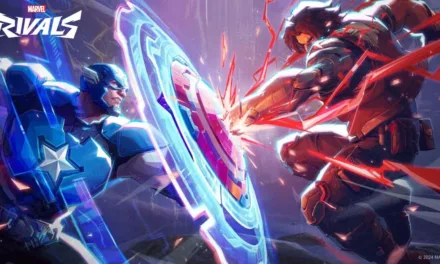
Marvel Rivals is all about speed, spectacle, and dramatic power. Gameplay is built around quick cooldowns, high-impact abilities, and fluid combos. Players can unleash devastating move chains, knock-ups, and stuns, making each hero feel truly “super-powered.” Ultimate abilities charge quickly and are meant to be used with regularity, amping up the pace and intensity of every match. There’s even a higher focus on environmental destruction and interaction, aligning with the theme of comic book mayhem.
In contrast, Overwatch encourages calculated play and team-based tactics. Most abilities have longer cooldowns and are oriented around control, denial, and support rather than raw explosiveness. Ultimate abilities are game-changing and much slower to charge, designed to reward timing and coordination rather than constant spectacle. Fights are won through positioning, focus fire, and the skillful use of cover and abilities in harmony with teammates.
The result is that Marvel Rivals leans into chaos and individual heroics, while Overwatch rewards discipline, synergy, and strategic thinking.
Unique Mechanic: Team-Up Abilities Bring Comic Book Fantasy to Life
Perhaps the most innovative feature in Marvel Rivals is the Team-Up ability system. Certain hero pairings can combine their powers in collaborative attacks, reenacting legendary moments right out of the comics, like Hulk hurling Wolverine into the fray (the “Fastball Special”). These abilities are not just for show—they can turn the tide of battle and demand true teamwork, providing a layer of strategy that is unique in the hero shooter genre.
Overwatch lacks any formalized team-up mechanics. While clever combos and ability synergies exist (like pairing Zarya’s Graviton Surge with Hanzo’s Dragon Strike), there are no explicit super-moves that activate from pairing two specific heroes. All teamwork is emergent or tactical, rather than baked into the ruleset.
Character Design: Established Icons vs. Original Legends
Marvel Rivals benefits from the vast Marvel universe, delivering instantly recognizable heroes and villains with signature moves and personality. Each player’s fantasy of wielding the powers of Deadpool, Loki, or Storm is fully realized, with voice lines, animations, and power sets that echo their comic depictions. That said, there is some overlap in playstyles, given the shared superhero archetypes.
Overwatch’s roster is born entirely from the imagination of Blizzard’s creative team. Every hero is designed to feel mechanically, visually, and thematically distinct, with strong silhouettes and diverse backstories. This originality means every character has a unique gameplay niche, and balance is often easier to maintain since there are no external expectations around how a character “should” perform.
Worlds and Maps: Lore-Driven Locales vs. Competitive Arenas
Thematic integration is another area where Marvel Rivals stands out. Maps are rooted in Marvel’s legendary locations—from Asgard to Wakanda—providing fan service, narrative setting, and immersive backdrops filled with comic Easter eggs and environmental hazards. Objectives often tie directly into these environments, feeding the fantasy of fighting alongside or against classic heroes in places you’ve read about for years.
Overwatch features maps inspired by real-world settings reimagined through a futuristic lens, like King’s Row (London) or Busan (Korea). These maps are built chiefly for competitive balance, with carefully mirrored routes, choke points, and minimal narrative interference. While they offer a sense of place, their design always prioritizes playability over spectacle.
Melee and Ranged Dynamics: Diversity in Combat Engagements
Another subtle but meaningful distinction is the approach to melee and ranged combat. Marvel Rivals offers a substantial number of melee-focused heroes—icons like Hulk are designed for up-close brawling, not just shooting from afar. This creates dynamic, close-quarters matchups and dramatic mid-fight reversals. The third-person camera also naturally favors acrobatic melee sequences and hit-and-run tactics.
By contrast, Overwatch is deeply rooted in ranged combat, with most heroes depending on hitscan or projectile weapons. Melee attacks are often limited to short-range finishers or utility abilities, making positioning and long-range target tracking more crucial.
Pacing, Balance, and Player Experience
Marvel Rivals adopts the philosophy that “when everybody is OP, nobody is OP.” Fast-paced, high-damage, and often unpredictable, its matches are designed for spectacle, viral moments, and spectacular comebacks. While thrilling, the game’s open-ended balance and complex combo potential do mean a steeper learning curve, especially for players who enjoy mastery over chaos.
Overwatch’s design is much more restrained. Abilities are powerful but limited, and balance is rigorously tested to provide tight, fair matches. The gradual learning curve rewards practice and discipline, encouraging team chemistry and repeatable success instead of one-off “superhero moments.”
FAQ: Marvel Rivals vs. Overwatch
Is Marvel Rivals just an Overwatch clone with Marvel heroes?
While Marvel Rivals is inspired by the hero shooter formula popularized by Overwatch, it innovates with a third-person perspective, open class selection, rapid-fire abilities, and a team-up system that brings comic book powers to life. The result is an experience that feels thematically and mechanically distinct, not merely a reskin.
Can I play Marvel Rivals solo, or is teamwork required?
Teamwork is important in both games, but Marvel Rivals leans more into chaotic, individual power displays. While coordinated team play is rewarded, players can still have impact with skillful solo plays, thanks to quick ability resets and less rigid role-locking.
How does the third-person camera affect gameplay in Marvel Rivals?
The third-person camera expands situational awareness, making it easier to see flanks, dodge attacks, and line up combos. It creates a more cinematic feel and supports movement-intensive abilities and melee combat, setting Marvel Rivals apart from Overwatch’s first-person precision focus.
Are Marvel Rivals’ heroes more powerful than Overwatch’s?
Abilities in Marvel Rivals tend to be flashier and recharge more quickly, which can make heroes feel more powerful and chaotic. However, Overwatch’s design philosophy favors balance, counterplay, and strategic depth, with ultimate abilities playing a more decisive and rare role in match outcomes.
Does Marvel Rivals feature Marvel stories and lore?
Yes, Marvel Rivals leverages its franchise deeply, featuring famed locations like Wakanda, narrative-infused objectives, and character interactions lifted straight from the comics. This story integration is more pronounced than in Overwatch, which focuses on original lore in an alternate future Earth.
Which game is better for competitive, strategic play?
Overwatch remains the gold standard for competitive team-based tactics, structured roles, and precise balance. Marvel Rivals is better suited for players who crave Marvel fantasy, high-speed action, and spectacular, chaotic moments over pure competitive discipline.
Discover Your Superpowered Arena
Marvel Rivals and Overwatch each offer unique flavors of the hero shooter experience. Whether you crave the structured, tactical matches of Overwatch or the wild, cinematic chaos and Marvel immersion of Marvel Rivals, both games excel in delivering unforgettable multiplayer moments. For deeper analysis and ongoing coverage, explore the following authoritative resources:
- ProSettings.net – Marvel Rivals vs. Overwatch
- DualShockers – Marvel Rivals vs Overwatch
- Esports Insider – Marvel Rivals vs Overwatch 2
- Gameluster – Marvel Rivals vs Overwatch 2
- Mobalytics – Marvel Rivals vs Overwatch 2
- Rock Paper Shotgun – Marvel Rivals Review
Ready to choose your side? Whichever path you take, both games have shaped the hero shooter genre—and elevated the fantasy of teamwork to new heights.